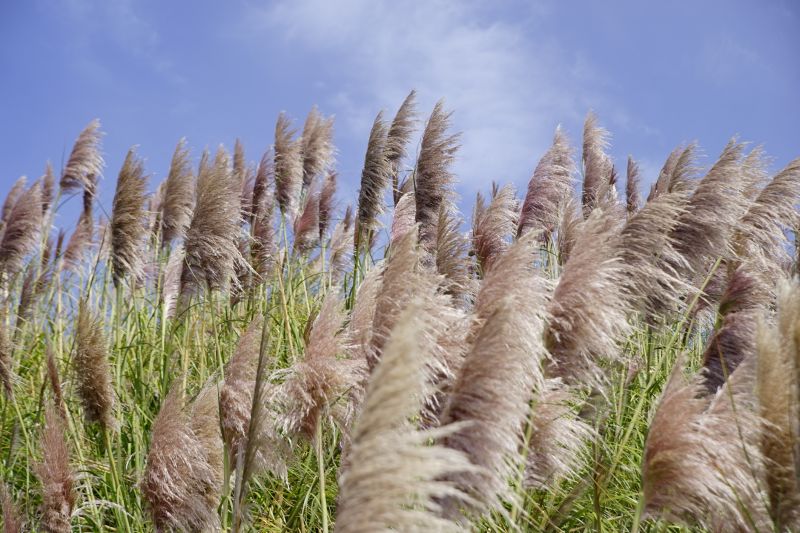
Pampas Grass Control in Ventura County, CA
Pampas grass control services focus on managing and removing this tall, invasive grass to maintain a healthy and attractive landscape. These services typically cover projects such as clearing overgrown patches, preventing the spread of pampas grass to neighboring properties, and restoring areas where the grass has taken over. Property owners should consider the size of the infestation, the location of the grass on the property, and any specific concerns about safety or environmental impact before requesting control services.
Understanding the extent of the pampas grass growth and any existing landscape features can help determine the most effective approach. Homeowners often want to know about the methods used for removal, whether ongoing maintenance is necessary, and how to prevent future growth. Proper control can improve curb appeal and reduce potential hazards associated with this invasive species, making it a valuable step in maintaining a balanced and safe landscape.
Many property owners in Ventura County, CA look into Pampas Grass Control for repairs, replacements, upgrades, and appearance-related improvements.
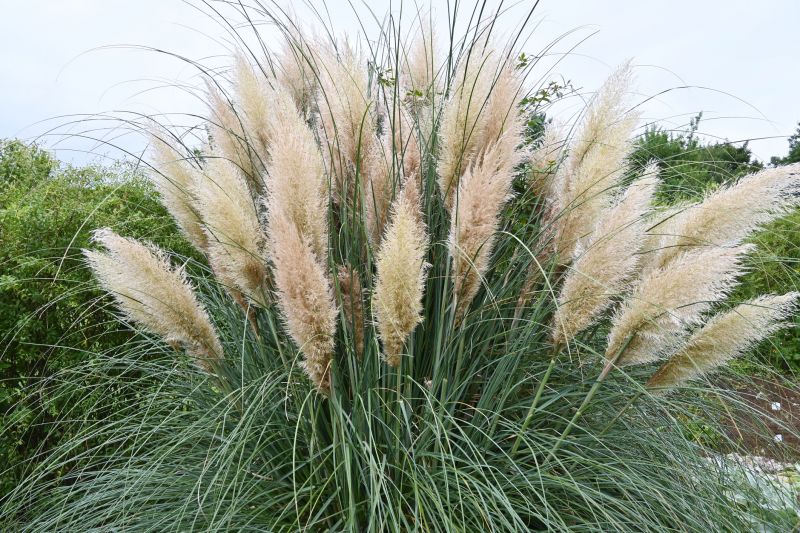
Pampas Grass Removal
Effective removal helps maintain a tidy and healthy landscape in ventura county properties.
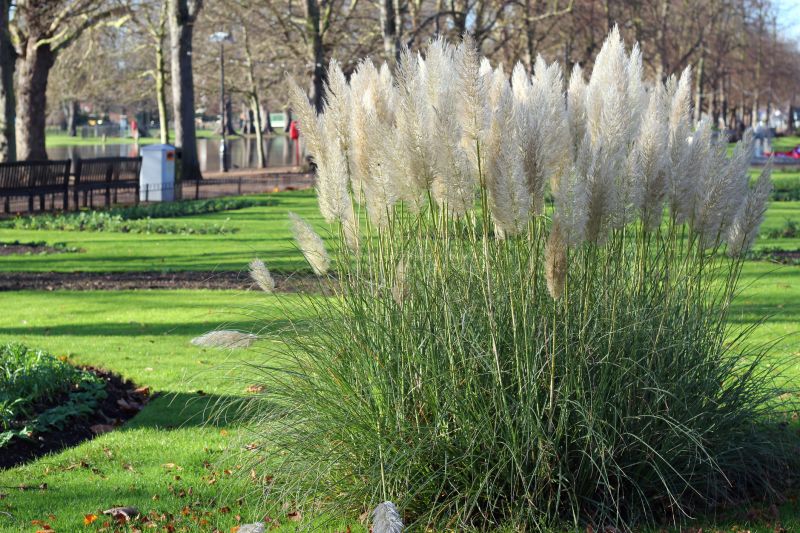
Invasive Plant Management
Controlling pampas grass prevents it from spreading and overtaking native plants.

Landscaping Enhancement
Managing pampas grass can improve the overall appearance and safety of outdoor spaces.
Pampas Grass Control in Ventura County, CA

Pampas grass control services focus on managing and removing this tall, invasive grass to maintain a healthy and attractive landscape. These services typically cover projects such as clearing overgrown patches, preventing the spread of pampas grass to neighboring properties, and restoring areas where the grass has taken over. Property owners should consider the size of the infestation, the location of the grass on the property, and any specific concerns about safety or environmental impact before requesting control services.
Understanding the extent of the pampas grass growth and any existing landscape features can help determine the most effective approach. Homeowners often want to know about the methods used for removal, whether ongoing maintenance is necessary, and how to prevent future growth. Proper control can improve curb appeal and reduce potential hazards associated with this invasive species, making it a valuable step in maintaining a balanced and safe landscape.
Many property owners in Ventura County, CA look into Pampas Grass Control for repairs, replacements, upgrades, and appearance-related improvements.
Common Pampas Grass Control Jobs
Pampas Grass Control - removal services to manage invasive and overgrown pampas grass.
Overgrowth Reduction - trimming and thinning to improve landscape appearance and health.
Root Removal - extraction of persistent roots to prevent regrowth and spread.
Property Clearing - clearing large pampas grass areas for safety and aesthetic purposes.
Maintenance Services - ongoing control to prevent future overgrowth and invasiveness.
Stump and Debris Removal - clearing leftover stumps and plant debris after removal.

Pampas Grass Control Questions
What is pampas grass control? Pampas grass control involves managing or removing invasive pampas grass to prevent overgrowth and protect native plants.
Why is it important to control pampas grass? Controlling pampas grass helps reduce fire risk, prevents it from spreading, and maintains the health of surrounding landscapes.
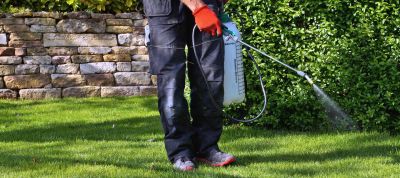
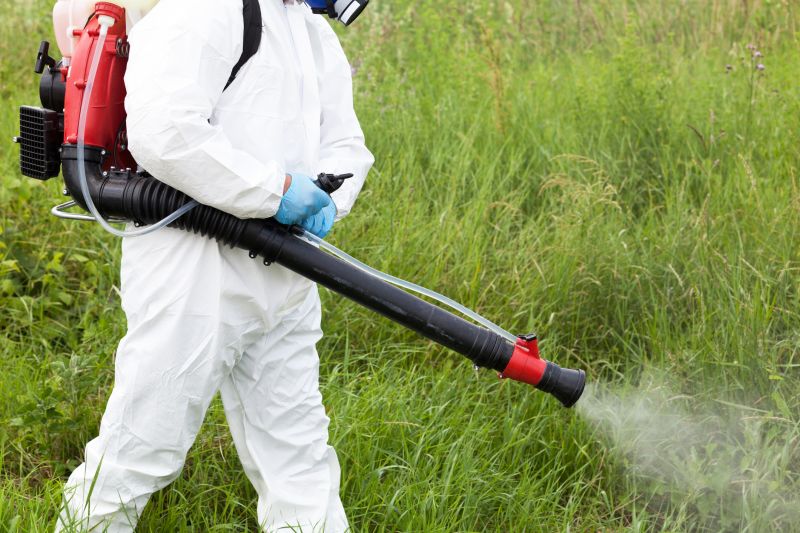
What methods are used for pampas grass removal? Methods include cutting, herbicide application, and root removal to effectively manage or eliminate pampas grass.
When should pampas grass control be performed? Control is typically performed when the grass becomes overgrown or invasive, often during late winter or early spring.
Request Pampas Grass Control in Ventura County, CA
Use the quote form on this page to share the basics of your project and request more information for the type of work you need.